Chromesthesia: Designing for Those Who Hear Colors
Chromesthesia: Designing for Those Who Hear Colors
Chromesthesia, a fascinating neurological phenomenon, occurs when individuals experience color sensations in response to auditory stimuli. This unique intersection of senses presents both challenges and opportunities for designers across various fields. Understanding and incorporating chromesthesia into design practices can lead to innovative and inclusive creations that cater to a diverse audience.
Understanding Chromesthesia
Chromesthesia is a form of synesthesia, a condition where the stimulation of one sensory or cognitive pathway leads to involuntary experiences in another. For those with chromesthesia, sounds trigger vivid color perceptions. These color associations are consistent for each individual but can vary from person to person.
For example, one person might perceive the sound of a violin as a deep purple, while another might see it as a bright yellow. This unique sensory experience offers a new dimension for designers to explore and incorporate into their work.
The Impact on Design
Designing for individuals with chromesthesia requires a nuanced approach that considers both visual and auditory elements. By understanding the principles of chromesthesia, designers can create more immersive and engaging experiences for all users, not just those with this condition.
Color-Sound Associations in Design
When designing for chromesthesia, it’s crucial to consider the potential color-sound associations that might occur. Here are some key points to keep in mind:
- Consistency: Maintain consistent color-sound pairings throughout the design to create a cohesive experience.
- Contrast: Use contrasting colors for different sounds to help differentiate between audio elements.
- Intensity: Consider the intensity of both colors and sounds, as they often correlate in chromesthetic experiences.
- Harmony: Strive for a harmonious balance between visual and auditory elements to create a pleasant sensory experience.
Practical Applications
Incorporating chromesthesia-inspired design principles can benefit various fields:
Music Visualization
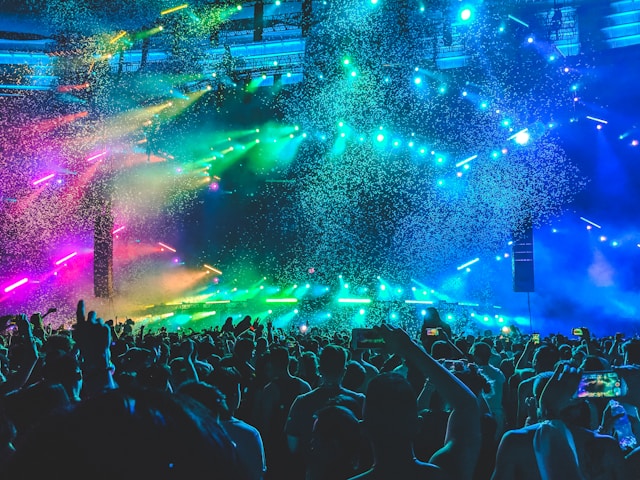
Creating visual representations of music that align with chromesthetic experiences can enhance the listening experience for all users. This approach can be applied to music videos, concert visuals, and audio player interfaces.
User Interface Design
Incorporating sound-color associations in UI elements, such as notification sounds paired with specific colors, can improve user experience and accessibility.
Interior Design
Designing spaces that consider both acoustic and visual elements can create more immersive and comfortable environments for individuals with chromesthesia.
Challenges and Considerations
While designing for chromesthesia offers exciting possibilities, it also presents some challenges:
- Individual Variation: Color-sound associations can vary significantly between individuals, making it difficult to create a universally applicable design.
- Overstimulation: Care must be taken not to overwhelm users with too many sensory inputs simultaneously.
- Accessibility: Ensure that designs remain accessible to users without chromesthesia and those with other visual or auditory impairments.
Conclusion
Chromesthesia offers a unique perspective on the interplay between sound and color in design. By understanding and incorporating these principles, designers can create more inclusive, engaging, and innovative experiences. Whether in digital interfaces, physical spaces, or artistic endeavors, chromesthesia-inspired design has the potential to transform how we perceive and interact with the world around us.
For more insights into the fascinating world of color perception, check out our article on The Science Behind Color Perception: How Our Eyes and Brain Process Color.